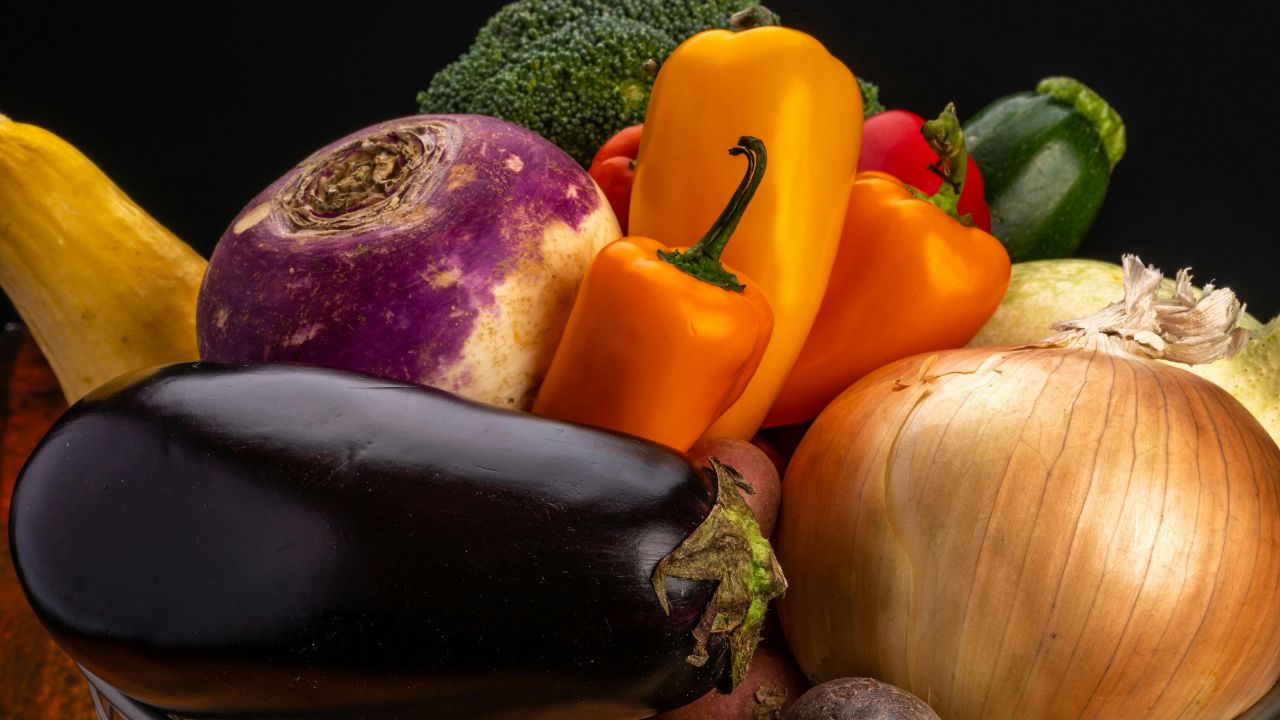
Vegetable du jour menu refers to a daily rotating selection of fresh seasonal vegetables chosen by the chef to complement the main dishes on a menu. Instead of offering the same side every day, restaurants prepare vegetables based on what is currently in season and at peak freshness. Common options often include sautéed zucchini, roasted root vegetables, glazed carrots, or steamed green beans each prepared to highlight natural flavor and texture. This approach allows chefs to stay creative while ensuring high quality and variety for guests. Prices typically range from $2.50 to $12.00, depending on the restaurant ingredients used and portion size served to customers.
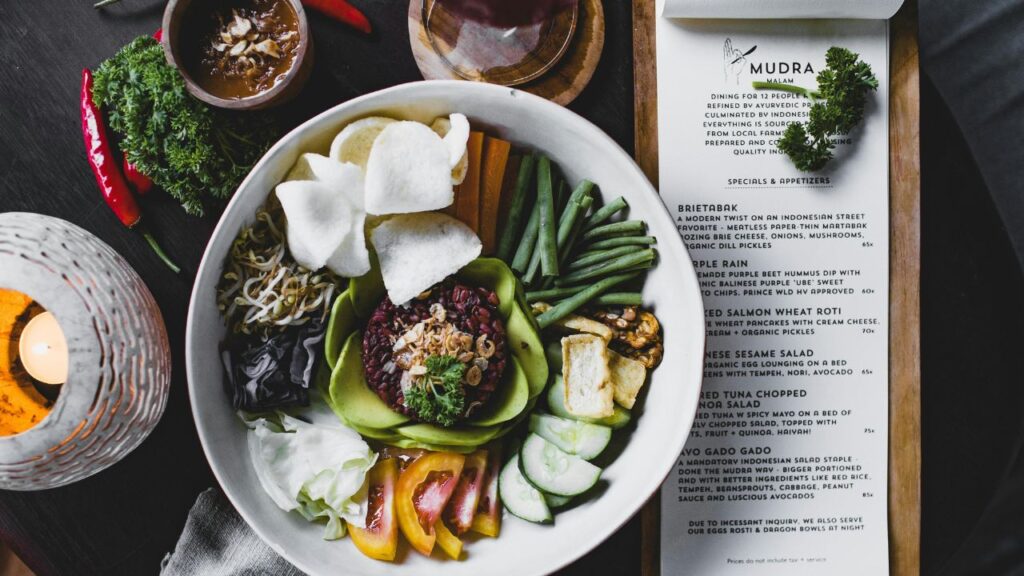
Seasonal Influence on Vegetable du jour menu
The changing seasons play a central role in shaping vegetable du jour offerings. Spring may feature tender asparagus, baby carrots and fresh peas. Summer often brings zucchini tomatoes, bell peppers and sweet corn. Autumn menus shift toward squash, Brussels sprouts, and hearty root vegetables while winter emphasizes potatoes, parsnips and robust greens. Seasonality ensures that vegetables are enjoyed at their peak. For example summer squash thrives in warm weather and develops a tender slightly sweet flavor. In contrast root vegetables such as carrots and parsnips become sweeter in cooler temperatures as their starches convert to sugars. By aligning the vegetable du jour with seasonal cycles, chefs celebrate the natural rhythm of agriculture. This approach not only enhances flavor but also fosters a deeper connection between diners and the environment.
Common Vegetable du jour menu Examples
While the exact offering varies, several popular examples frequently appear as vegetable du jour selections:
Roasted Medley: A colorful combination of zucchini, summer squash, red peppers, and red onion, roasted until tender and slightly caramelized. Another variation may include cauliflower, carrots, and assorted root vegetables tossed with olive oil and herbs.
Classic Sides: Steamed green beans, roasted root vegetables, or glazed carrots are timeless choices. These vegetables are often lightly seasoned to enhance their natural sweetness and texture.
Seasonal Greens: Sautéed spinach, garlic kale, or charred broccoli provide vibrant color and bold flavor. Quick cooking methods preserve nutrients while adding depth through caramelization or gentle wilting.
Each preparation method highlights the character of the vegetables. Roasting intensifies sweetness, sautéing preserves brightness, and steaming maintains delicate textures. The chef’s technique transforms simple produce into a memorable dish.
The Philosophy Behind a Daily Vegetable Selection
At its core, vegetable du jour represents a philosophy of freshness and responsiveness. By rotating vegetables daily chefs can respond to changing seasons fluctuating market availability and even creative inspiration. This flexibility allows kitchens to reduce waste, support local agriculture and experiment with new flavor combinations.
Seasonal cooking enhances both taste and sustainability. When vegetables are harvested at their natural peak, they require less artificial intervention to grow and transport. This often results in richer flavors and better textures. A tomato picked in summer for example, bursts with sweetness and acidity that cannot be replicated during colder months. Similarly winter root vegetables develop deep earthy flavors after exposure to frost.
By selecting vegetables daily, chefs ensure their menus remain dynamic. Diners who return frequently can experience something new each time, which adds excitement and anticipation to even the simplest side dish.
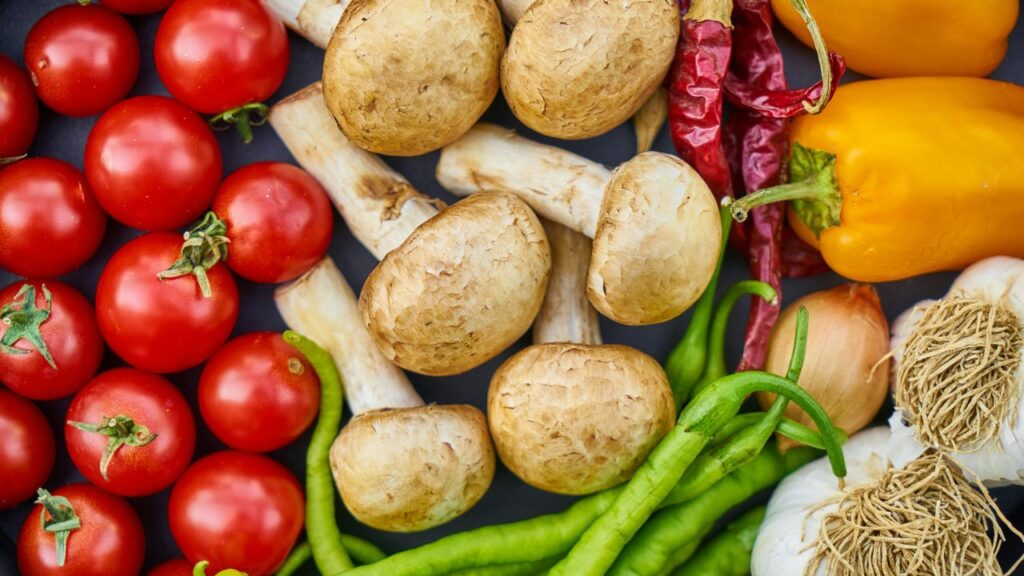
Preparation Techniques That Elevate Simple Vegetables
The preparation of a vegetable du jour is just as important as the selection itself. Simple cooking methods can dramatically influence flavor and presentation.
Roasting is a popular technique that brings out natural sugars and creates appealing caramelized edges. A roasted medley of zucchini, red onion, and peppers develops complexity through high-heat cooking. Sautéing, on the other hand, preserves the crisp-tender quality of greens like spinach or kale while allowing aromatics such as garlic to infuse the dish.
Glazing carrots with a light butter or honey coating enhances sweetness and creates a glossy finish. Steaming green beans keeps them bright and firm preserving nutrients and freshness. Some chefs may finish vegetables with a squeeze of lemon, a sprinkle of sea salt, or a drizzle of olive oil to add balance.
These thoughtful techniques elevate vegetables from a basic accompaniment to a star-worthy component of the plate.
Pricing and Portion Considerations
Vegetable du jour menu offerings typically range in price from $2.50 to $12.00, depending on the establishment, portion size, and preparation style. Casual diners or cafés often offer smaller portions at lower prices, while upscale restaurants may present larger or more elaborate preparations at higher price points. Pricing reflects factors such as ingredient sourcing, culinary labor, and presentation. Locally sourced organic vegetables may carry higher costs but offer superior quality and environmental benefits. Restaurants that invest in meticulous preparation—such as slow-roasting or specialty seasoning blends—may also adjust pricing accordingly. Despite price differences, vegetable du jour remains one of the most accessible ways for diners to enjoy fresh, seasonal produce prepared by professional chefs.
The Role of Vegetable du Jour in Menu Design
In menu design,Vegetable du jour serves both practical and creative purposes. It allows restaurants to adapt quickly to ingredient availability without reprinting menus daily. By simply listing “vegetable du jour,” establishments maintain flexibility while signaling freshness to guests. The rotating nature of the dish also encourages repeat visits. Diners who enjoy trying new flavors may return to discover what vegetable is featured next. For chefs, the concept offers an outlet for experimentation. They can test new spice combinations, roasting methods, or presentation styles on a smaller scale before incorporating them into permanent menu items. Furthermore, vegetable du jour can balance heavier entrées. A rich steak or pasta dish pairs well with a light, vibrant vegetable side, creating harmony on the plate.
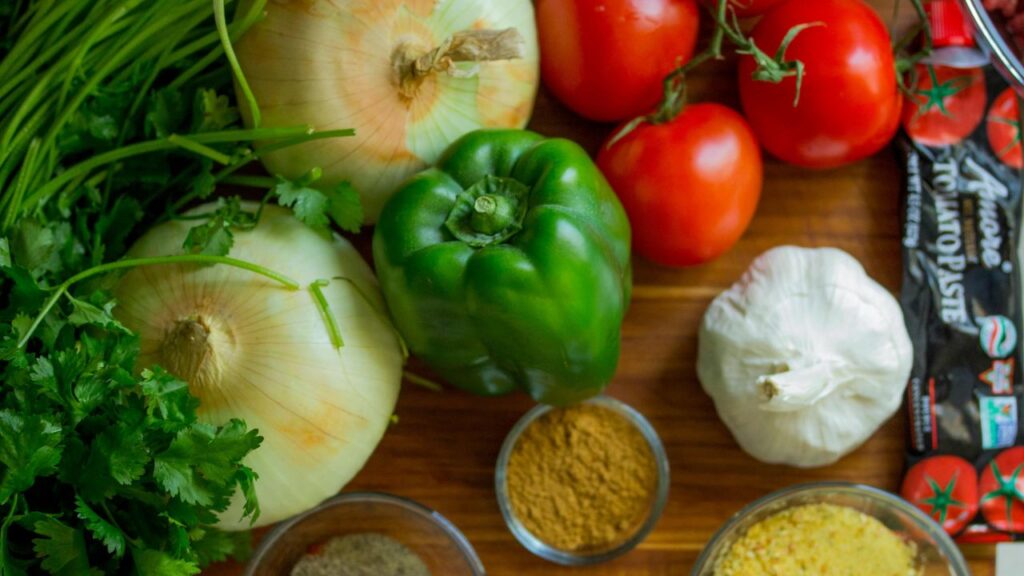
Celebrating Freshness and Culinary Creativity
Ultimately, Vegetable du jour represents more than a simple side dish—it embodies a celebration of freshness, seasonality, and culinary creativity. By rotating vegetables daily, chefs showcase produce at its peak while offering diners variety and excitement.
From roasted medleys of zucchini and red peppers to sautéed spinach and glazed carrots, the possibilities are nearly endless. Each preparation reflects the chef’s style and the season’s bounty. Pricing remains flexible and accessible, typically ranging from $2.50 to $12.00, making it an appealing addition to many meals.
In a dining landscape that increasingly values sustainability and local sourcing, vegetable du jour stands as a testament to thoughtful cooking. It invites guests to appreciate the subtle flavors of seasonal vegetables and to experience how simple ingredients, when handled with care, can become something truly special.
Vegetable du jour menu: Quick Difference Table
| Feature | Vegetable du jour menu | Regular Menu Vegetable Side |
| Meaning | “Vegetable of the day” – changes daily | Fixed vegetable listed permanently on the menu |
| Variety | Rotates based on season and availability | Usually the same option year-round |
| Freshness | Typically made with fresh, seasonal produce | May rely on consistent, sometimes non-seasonal supply |
| Chef Creativity | Allows chefs to experiment with flavors and techniques | Limited creativity due to fixed recipe |
| Examples | Roasted zucchini medley, glazed carrots, sautéed spinach, green beans | Steamed broccoli, mashed potatoes, standard mixed veggies |
| Seasonal Focus | Strong focus on peak-season vegetables | May not always reflect seasonal produce |
| Customer Experience | Offers something new with each visit | Predictable and consistent every time |
| Pricing | Usually ranges from $2.50–$12.00 depending on portion and restaurant | Often priced as a standard side item |
FAQs
1. What does vegetable du jour mean?
It means “vegetable of the day” in French and refers to a daily rotating vegetable selected by the chef.
2. Why do restaurants change the vegetables every day?
To use fresh, seasonal produce and keep the menu exciting for returning guests.
3. What are some common Vegetable du jour menu options?
Roasted zucchini, glazed carrots, green beans, sautéed spinach, or a mixed roasted medley are all popular choices.
4. How much does the Vegetable du jour menu usually cost?
Prices typically range from $2.50 to $12.00, depending on the restaurant and portion size.
5. Is vegetable du jour always healthy?
Most options are healthy since they feature fresh vegetables, though preparation methods (like glazing or roasting) can add extra ingredients.