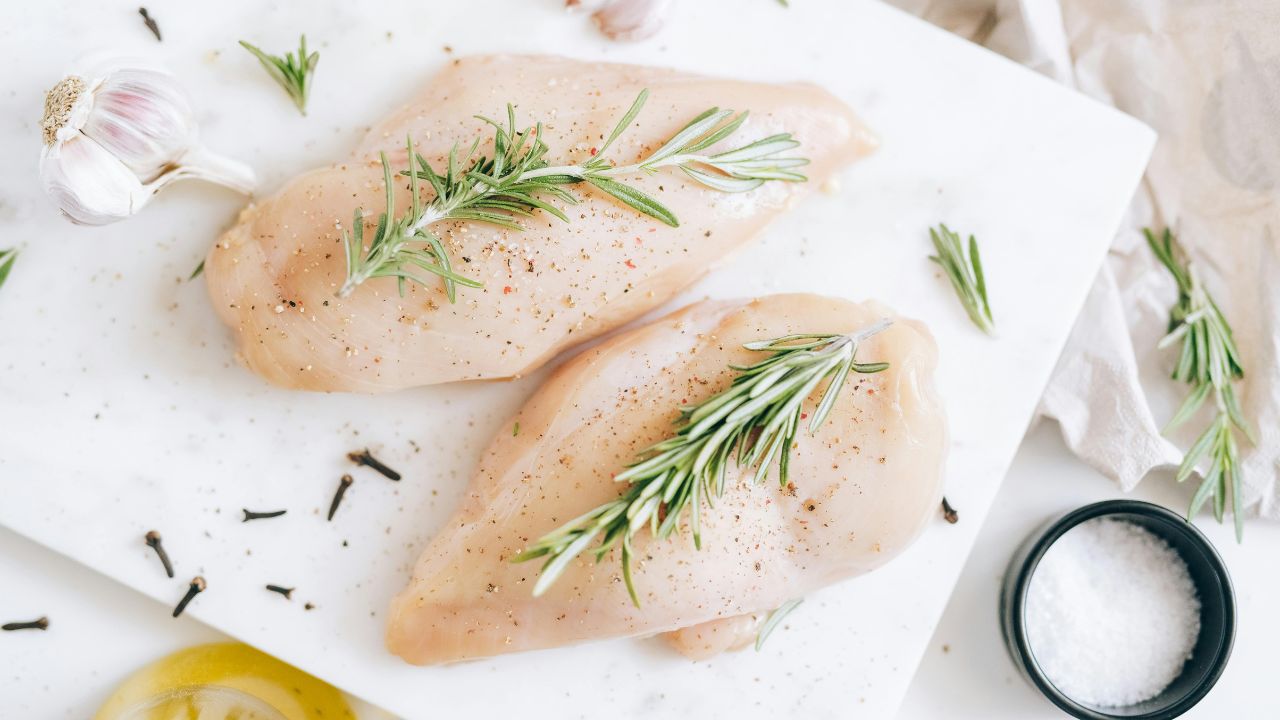
Chicken back The rib cage left when the breasts, wings, and legs have been removed on a whole chicken. It is a simple cut that has been neglected or offered at a low price but it is loaded with collagen, marrow and tiny pieces of meat that bring a rich, full flavor. The chicken back is also a good source of stocks, broths, and soups of high body and richness due to the rich amounts of gelatin present in it. You can also roast or fry it with a bit of cleaning to get rid of excess fat or remaining organs to make it a hearty yet economic meal. Cheap and convenient, chicken backs enable domestic culinarians and chefs to stretch their slurries, cut down on food waste and achieve maximum flavor out of any chicken.
What Exactly Is a Chicken Back?
Then what do we imply by the term chicken back? Suppose there is only one piece of chicken which they have eaten up, the breasts, legs, and wings. We have left the principal body skeleton: the backbone, and ribs, oyster meat, skin, cartilage, and some small portions of meat, sticking to the bones. It is not a meaty piece, such as a breast, but a bone-filled base that is full of taste. The trimmings of whole birds are usually chicken backs, and so it becomes a highly inexpensive or even free product at some butcher counters. They are not valuable in protein, but in the fact that they make food so rich, deep, and comforting, the silent propulsion of very many great meals.
Enough meat for flavor without excess fat
Chicken backs can be made into stock, which is one thing to do. This is what they really excel in. Slowly simmering the chicken backs low extracts gelatin off the bones, providing broth with a rich velvety feel. The marrow is very rich and savory, and the cartilage dissolves to form body and texture. Backs are more economical, more layered, and considerably greener than using breast meat or even wings. An excellent stock makes exceptional soups, sauces, gravies, and risottos. All you have to do is place chicken backs in a pot with roughly chopped up onions, carrots and celery, pour in cold water and simmer gently over a few hours. What comes out is a golden, delicious stock that surpasses the quality of shop bought stock and minimizes wastage and enhances day to day cooking.
Chicken Backs for Flavorful Soup
Leaving simple stock, chicken backs are a good base to use in warm and nutritious soups. Imagine chicken noodle, a tortilla soup, or creamy chicken and rice, foods that are beneficiaries of depth and richness. Chicken backs have a full body and a gratifying mouthfeel due to the high amount of collagen they contain. To add additional flavor start by browning the backs in a pot with some oil and then a tasty fond forms on the bottom. Add vegetables and then add water and simmer until it is tender and flavorful. Upon doing this, take away the little tender bits of meat that you had cut off the bones and place them back into the soup. This technique uses all the ingredients and makes a stewed nutritional food which is so comforting and plentiful.
Chicken Backs for Braising and Stewing
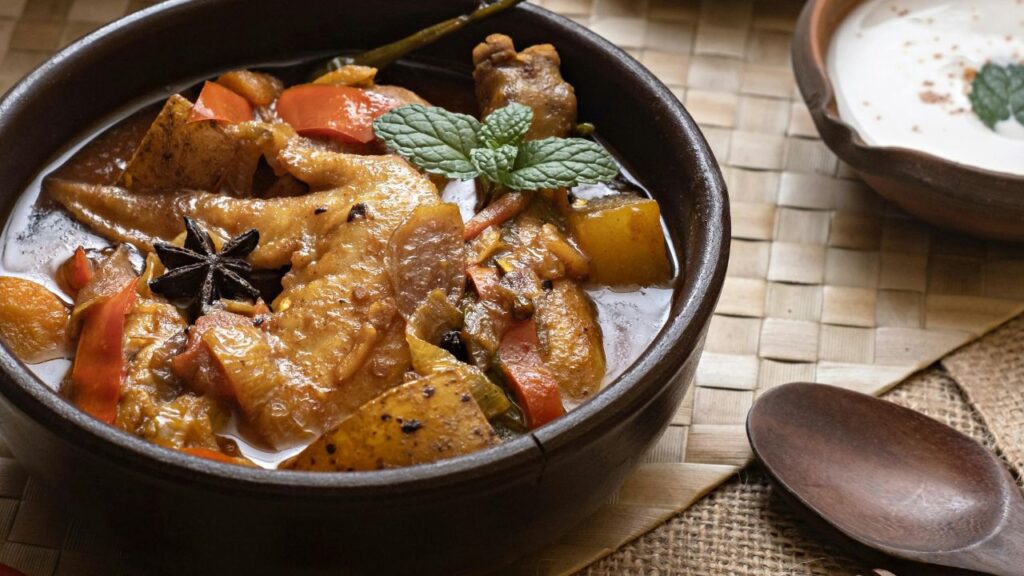
Raising is a cooking technique in which you first brown the meat then proceed to cook the meat slowly in a covered pot with a little amount of liquid. Lengthy and damp cooking softens hard or bony cuts and makes them delicious. Chicken backs are a champion of braising. Most world cuisines, particularly in the Caribbean and in Asia, marinate and cook chicken backs into unbelievable foods. You can roast them with the spices such as paprika, thyme, and allspice, add some broth, tomatoes, or coconut milk to it and cook until the meat is falling-off-the-bone soft. The resultant sauce is so rich and the procedure transforms this cheap dish into a juicy, gratifying main dish when poured over rice, beans or mashed potatoes. It is a process that glorifies waiting and large, generous tastes.
How to Roast Chicken Backs for Maximum Taste
Yes, you can roast them, too! An ingenious thing to make chicken backs taste is to roast them, and then spread the flavor in two ways. Oil, pepper and salt and then put in a hot oven and roast until deep brown and crispy. You may first of all eat the crispy skin and peel off the delicious bits of meat–a cook’s delight! Second, and more importantly you can then roast these backs and then use them to make a stock or broth. This gives the liquid an unbelievable roasted, nutty and caramelizing flavor, which is what the chef terms as a brown stock. The secret behind wonderfully savoury gravies, dark soups such as French onion or any dish that requires a more meaty and deeper flavour base. It is an additional measure that can offer a great payoff.
Chicken Backs Purchase Guide
You are asking, “Where can I even get them? The simplest thing to begin with is the butcher stand at your locality grocery store or a specialty butcher shop. Just inquire whether they have the chicken backs. Being a by-product of chicken degradation, most stores stock them at low prices in ready-made trays or can pack them up on demand. You can commonly find them in the frozen meat area as well, sometimes referred to as soup bones. Be not afraid to ask–butchers will sell you them most of the way. You can also save your own! By tumbling one whole chicken in the oven (spatchcock, butterfly), you take away the backbone. Rather than throwing it, freeze it in a bag. Continue adding backs of other breakdowns until you are in a position to make a pot of stock. It is the butter of the bread in the kitchen.
Unlocking the Nutritional Benefits in Every Bone
Chicken backs are not only good to taste, but they really are good for your health. When you immerse them, the bones and connective tissue soften and release minerals like calcium, magnesium and phosphorus to the broth. Collagen and gelatin also benefit gut health, and experts claim that they assist in enhancing healthy skin, hair, and joints. This healthy broth is a common term in English as bone broth although it is merely a prepared stock of ingredients such as backs. At home, when you make it with the back of the chicken, you control all the quality and the content of the salt, which means you are going to get a good, pure, nutrient-filled food. It is a reassuring, health-promoting custom that links the present day kitchens with the centuries old knowledge on using the entire animal.
Chicken Backs Extra Ideas
Once you have made stock or broth, you have gotten most of the flavor out of it but the story does not end there. You want to cool down the used backs and before you dispose of them you want to take a minute to scrape off some of the meat. These shreds are small, but very tasty and can be used in chicken salad, in pot pies, or casseroles. There is one more possible application to the bare bones; in case of composting they are a wonderful addition (first check your local compost rules). This nose-to-tail method of poultry makes sure that you do justice to the ingredient as well as your pocket without wasting anything much.
Chicken Backs Compared to Other Cuts
| Aspect | Chicken Backs | Breasts/Thighs |
| Main Use | Flavor base for broth & stock | Main course protein |
| Texture | Bony, with bits of tender meat | Meat-heavy, firm or juicy |
| Best For | Simmering, braising, making soup | Grilling, baking, pan-frying |
| Flavor Role | Adds depth, richness, and body | Provides clean, adaptable protein |
| Cost | Very low (budget-friendly) | Higher (you pay for more meat) |
| Biggest Plus | Makes rich, gelatinous broth | Versatile for quick meals |
FAQs
1. Where can I buy chicken backs?
The least effort is at the butcher counter of your local grocery store or a butcher shop. All you need to do is to ask whether they have any available–they are pretty cheaply sold, because they are a by product. They are also available in the frozen meat department and are often referred to as soup bones.
2. Can I really make good stock with just chicken backs?
Absolutely! Chicken backs are in fact one of the finest to make stock. They are full of bones, cartilage and collagen which upon boiling reduces to a rich, tasting and silky broth and is perfect in soups and sauces.
3. Is there any meat on a chicken back I can eat?
Yes! Although it is not a thick cut like a breast, there are some delicious bites of meat, especially the so-called oyster close to the back. These tender bits may be removed and used in chicken salad after being simmered with stock, or they may be used in soups, or casseroles.
4. What’s the difference between using backs and a whole chicken for broth?
Just back treatment is cheaper and only aims at deriving flavor out of bones and connective tissue. Whole chicken will offer more to consume but backs will be cheaper and offer a more concentrated and gelatin-rich base, with no waste.
5. Do I need to roast the backs before making stock?
It is not necessary, but toasting them beforehand is a clever trick of a cook. It burns the bones and the skin giving your final broth more depth, richness, and a nutty taste. I shot the ball as an additional measure in case you wish to have a more intricate brown stock.