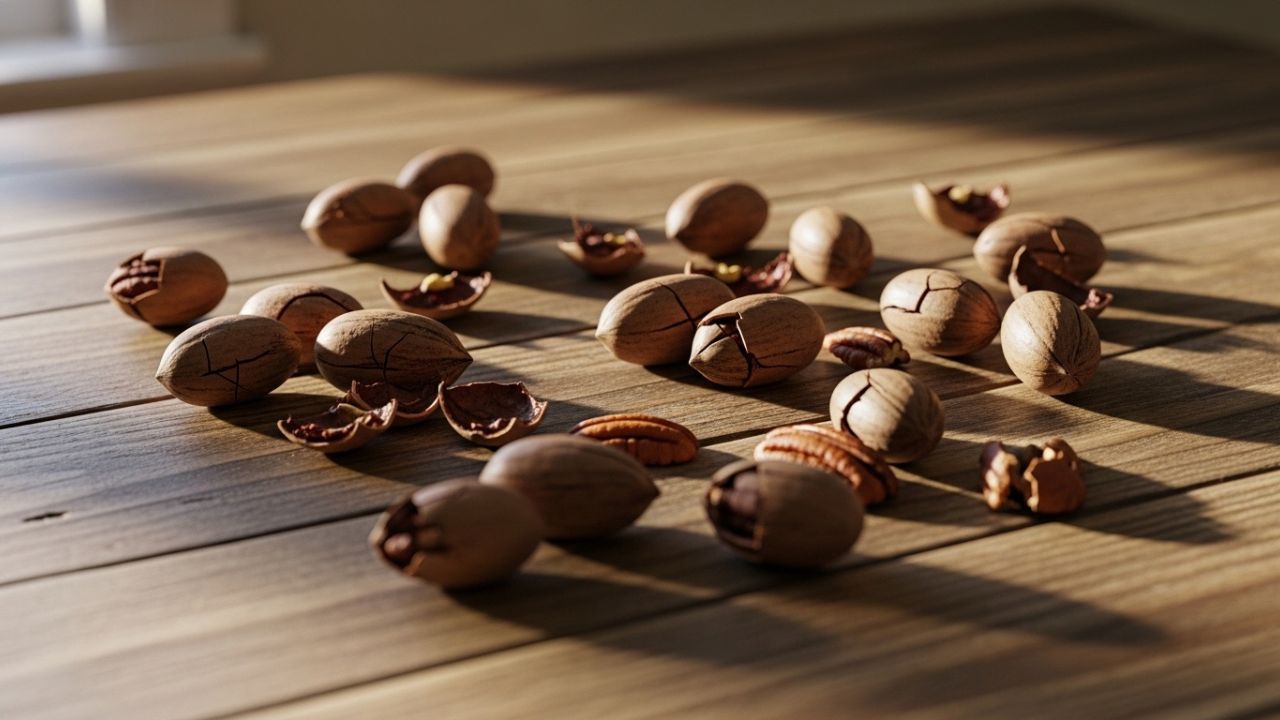
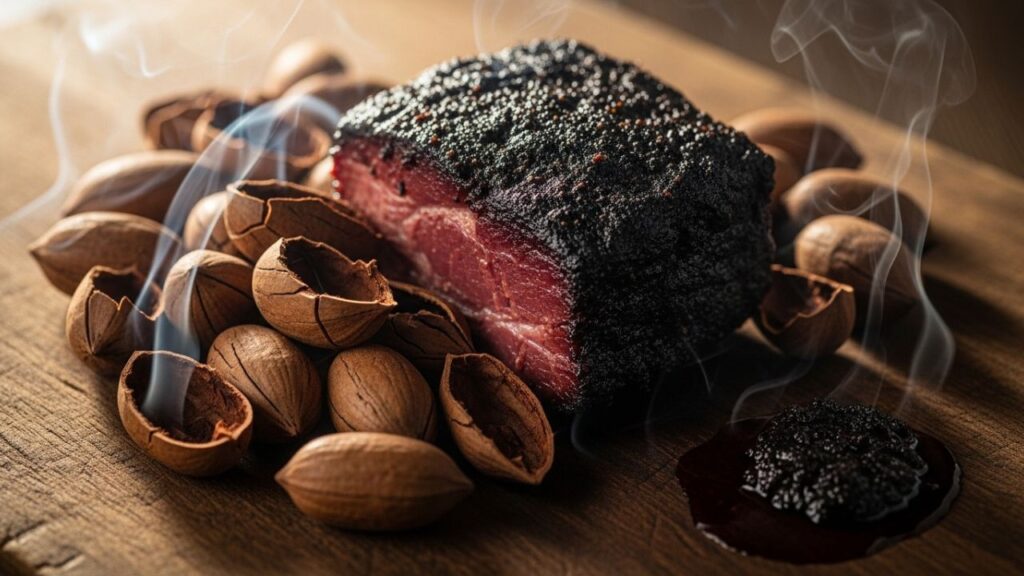
Pecan shells are often overlooked, discarded once the nut is removed, yet they hold quiet potential in the kitchen. These sturdy, woody shells carry a subtle aroma that can enhance food in ways that feel both natural and understated.
While they aren’t eaten, pecan shells are valued for how they influence flavor—especially in smoking and slow cooking. Their mild, nutty smoke adds depth without overwhelming the dish, making them ideal for cooks who prefer balance over intensity.
They’re particularly useful for those who enjoy grilling, experimenting with traditional techniques, or simply making better use of ingredients that would otherwise go to waste. In my own kitchen, I’ve found that even a small handful added to the coals can gently shift a dish toward something more layered and complete.
What Are Pecan Shells?
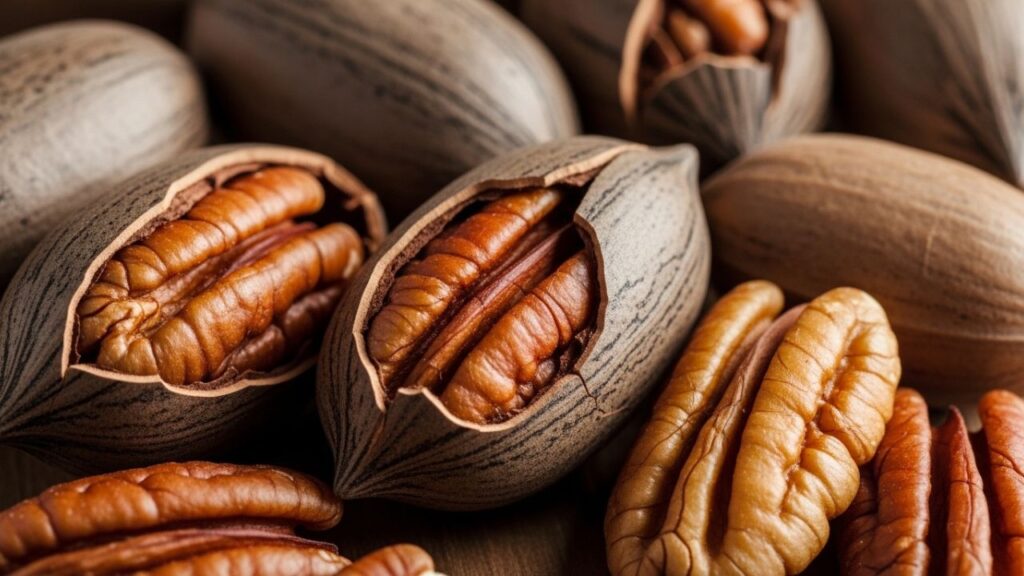
Pecan shells are the hard outer layer of pecan nuts, typically removed and discarded during food preparation. They come from pecan trees and are naturally dry, fibrous, and lightly aromatic.
Traditionally, they’ve been used in Southern-style cooking, particularly in barbecue, where different woods and shells are chosen for the type of smoke they produce. Pecan shells are known for their milder profile compared to stronger woods.
When exposed to heat, they release a soft, slightly sweet aroma with gentle woody undertones. This makes them well-suited for foods that benefit from subtle enhancement rather than bold smokiness.
Why It Works So Well
Pecan shells stand out because of their balance. They don’t dominate a dish but instead support and round out existing flavors.
Their smoke carries a light sweetness that pairs naturally with savory ingredients. Unlike heavier woods, they produce less bitterness, making them easier to control during cooking.
They also contribute to texture indirectly. Slow, steady smoke helps food retain moisture while developing a lightly crisp exterior.
For everyday cooking, they fit seamlessly into grilling routines or slow-cooked meals. They require no complex preparation, just attention to heat and timing.
Ingredients Guide – What to Look For
Choosing good-quality pecan shells is simple but important.
Look for shells that are clean, dry, and free from mold or chemical residue. A faint woody smell is a good sign; anything musty should be avoided.
Practical Substitutions
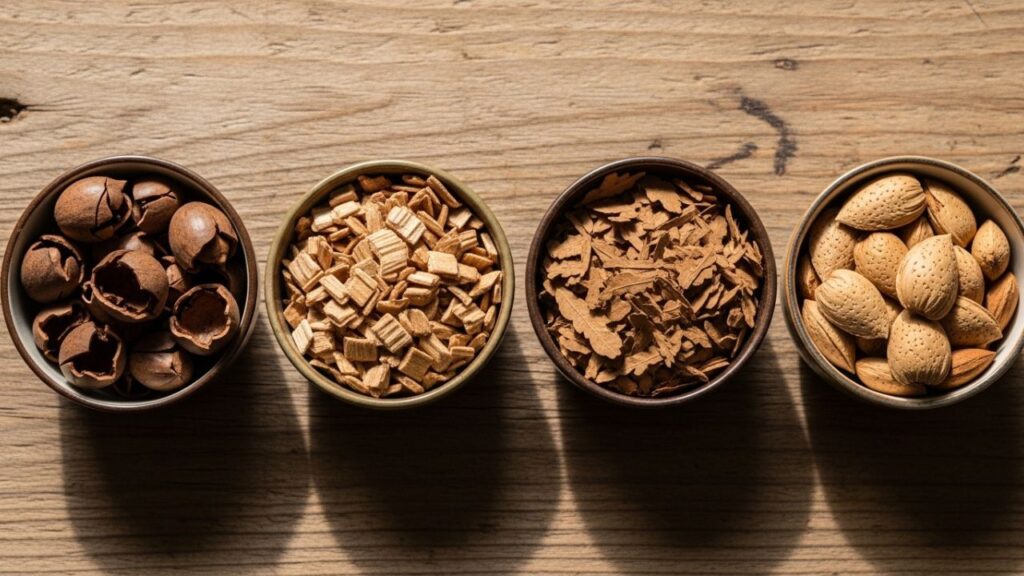
If pecan shells aren’t available, a few alternatives can offer similar results:
- Applewood chips for mild sweetness
- Oak chips for a balanced smoke
- Almond shells for a comparable nutty note
Fresh shells are easiest to find during the fall harvest, but they store well for months if kept dry and sealed.
To enhance their flavor, keep a few pantry staples nearby:
- Salt and black pepper
- Garlic or onion powder
- A small amount of brown sugar
Step-by-Step Cooking Method
Using pecan shells is straightforward, especially for smoking.
Start by rinsing them lightly to remove dust, then let them dry completely. Moisture can lead to uneven smoke.
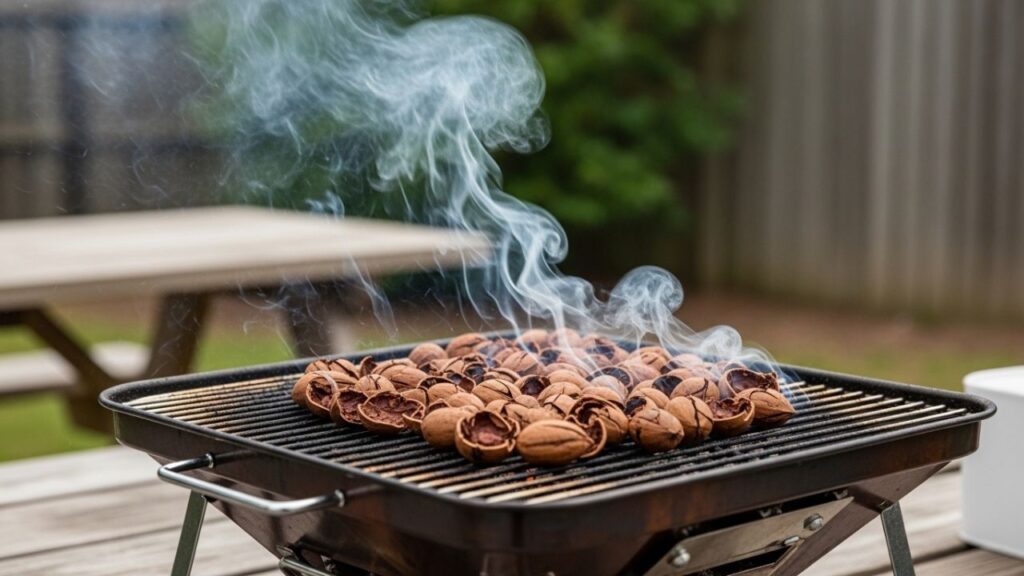
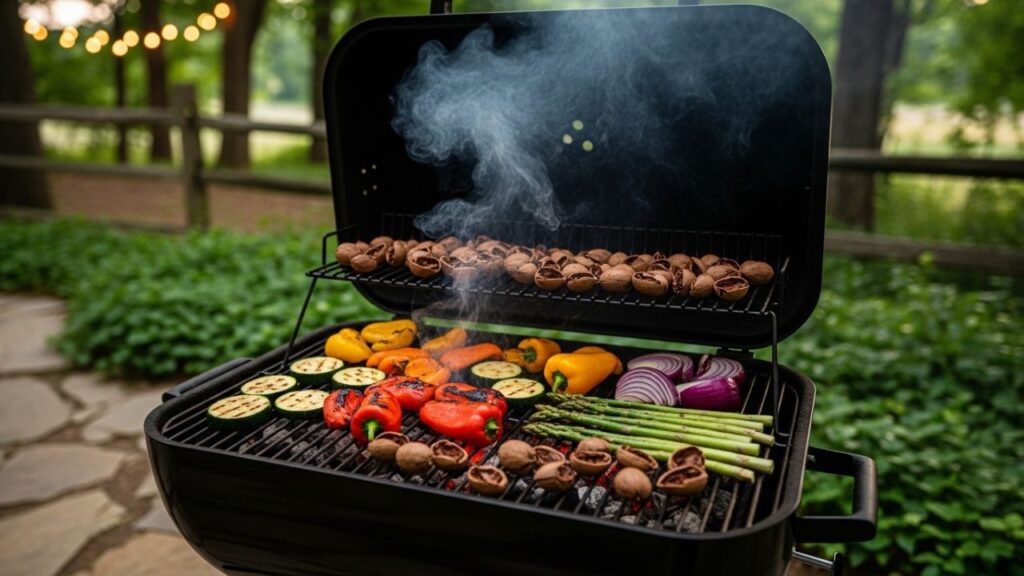
Preheat your grill or smoker to a steady low temperature, around 225–250°F (107–121°C). Add a small handful of shells directly to hot coals or place them in a smoker box.
Once a thin stream of smoke appears, place your food away from direct heat and allow it to cook slowly.
What to Watch For
- Smoke should be light and slightly bluish
- The aroma should be mild and nutty, not harsh
- Food should develop a gentle golden-brown surface
Cooking times vary depending on the ingredient, but patience is key. Add more shells gradually if needed, rather than all at once.
Serving Suggestions
Food prepared with pecan shell smoke pairs best with simple, fresh accompaniments.
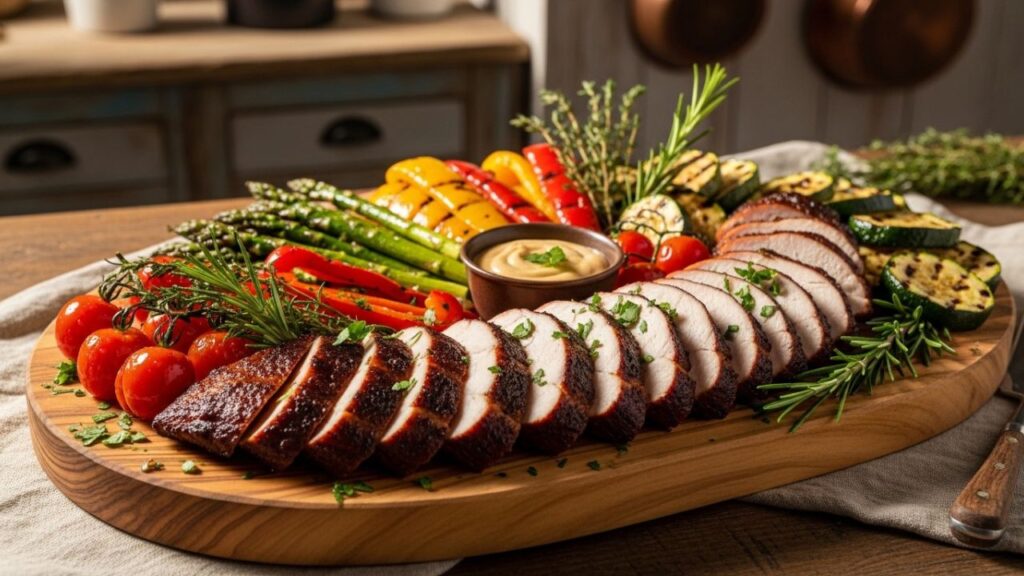
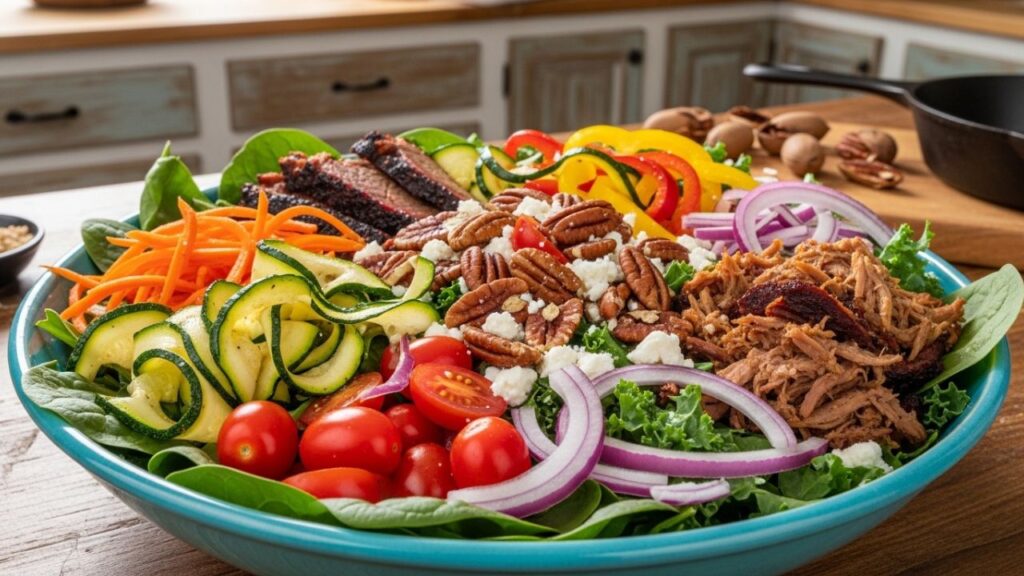
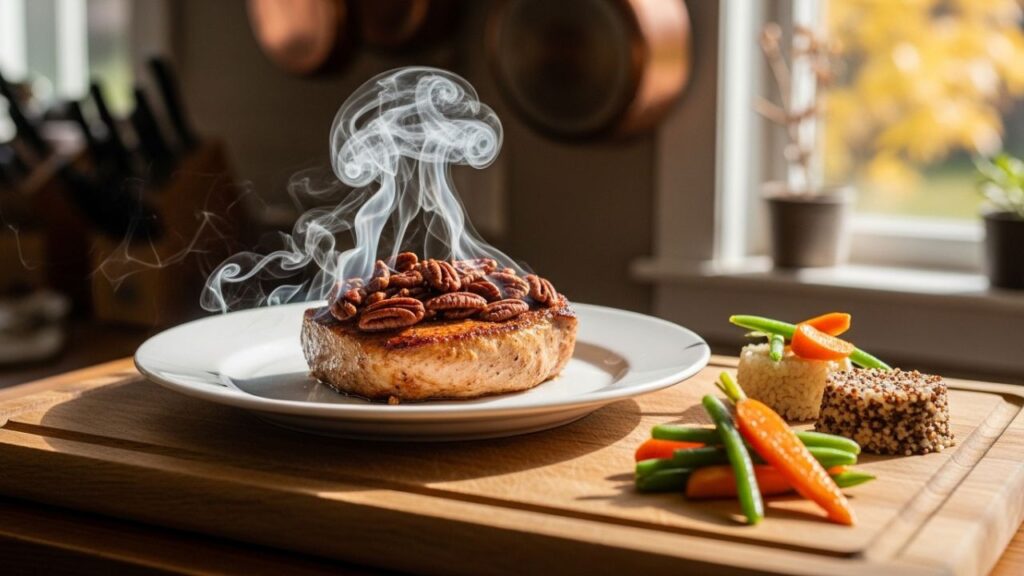
Grilled vegetables, crisp salads, and grain-based sides complement the mild smokiness without overpowering it. Light sauces with citrus or herbs help balance the flavors.
For presentation, keep things relaxed and natural. Wooden boards or neutral plates allow the food’s color and texture to stand out.
For gatherings, serve smoked items on a shared platter. For smaller households, cook in modest portions and store leftovers for later use
Seasonal or Occasion Variations
Pecan shells adapt easily to seasonal cooking.
In warmer months, they pair well with lighter ingredients like fish and vegetables. Fresh herbs and citrus can brighten the overall flavor.
In colder months, they work nicely with heartier dishes such as root vegetables or slow-cooked meats. Warm spices can add depth without overwhelming the smoke.
Using Leftovers Creatively
Smoked ingredients can be repurposed in simple ways:
- Shredded into sandwiches
- Added to soups or stews
- Mixed into rice or grain bowls
Storage & Reheating Tips
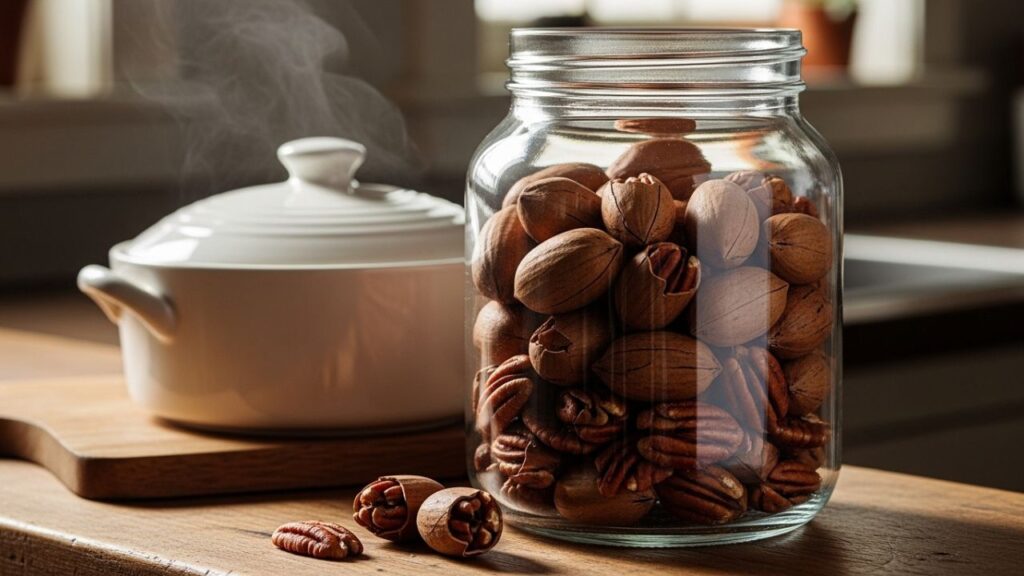
Pecan shells should be stored in a dry, airtight container, away from moisture and strong odors.
They don’t need refrigeration, but proper storage helps preserve their aroma.
Cooked food can be refrigerated for a few days or frozen for longer storage. When reheating, use a low oven to maintain texture and avoid drying out the food.
Common Mistakes to Avoid
Using too many shells at once can create overpowering smoke and a slightly bitter taste.
Damp or dirty shells can produce thick, unpleasant smoke, so proper preparation matters.
Inconsistent heat is another common issue. Keeping the temperature steady ensures even cooking.
Finally, it’s important not to overwhelm the dish with strong seasonings. The subtle nature of pecan shell smoke works best when supported by balanced flavors.
Frequently Asked Questions
1. Can pecan shells be used in gas grills?
Yes, using a smoker box helps control smoke levels more effectively. It allows consistent flavor infusion, prevents overpowering smokiness, and works well with gas or charcoal grills for better results.
2. Do they burn quickly?
They burn moderately fast, so it’s best to add them gradually. This allows better control over heat, prevents flare-ups, and ensures even cooking and consistent flavor throughout your dish.
3. Are pecan shells safe for cooking?
Yes, as long as the woods are clean and untreated. Avoid painted, stained, or chemically treated wood, as these can release harmful fumes and negatively affect flavor.
4. What foods pair best with their smoke?
Poultry, fish, vegetables, and mild cheeses work particularly well. Their flavors absorb smoke evenly without becoming overpowering, creating a balanced, aromatic, and delicious result in grilled or smoked dishes.
5. Can they be mixed with other woods?
Yes, combining them with oak or fruit woods creates a balanced flavor. The mix enhances complexity, adding depth without overpowering, and complements a variety of meats, vegetables, and cheeses.
6. How long can they be stored?
Up to a year if stored dry and properly sealed. Proper storage prevents moisture, mold, and flavor loss, keeping the product safe and maintaining its quality over time.
Conclusion
Pecan shells may seem like a small detail, but they offer a thoughtful way to enhance cooking without adding complexity. Their mild, nutty smoke brings balance and depth, especially in slow-cooked or grilled dishes.
For cooks who appreciate subtlety and resourcefulness, pecan shells provide an easy way to extend flavor while making use of something often discarded. Using them thoughtfully can turn everyday meals into something quietly sophisticated.
The key is patience: gentle smoke, balanced seasoning, and careful temperature control. In my experience, these small touches create dishes that feel both approachable and memorable—a gentle reminder that flavor often comes from attention to detail.
About the Author
The author is a dedicated home cook and food writer who enjoys exploring practical, flavor-focused techniques. With an emphasis on simplicity and balance, they aim to help readers create meals that feel both approachable and thoughtfully prepared.