Cousa squash also spelled kousa or koosa is a light green summer squash cherished in Middle Eastern cuisine especially in Lebanese and Syrian homes. It is closely related to zucchini but it stands out because of its shorter and rounder shape and its thinner skin and slightly sweeter and creamier flavor. It may look similar to the dark green zucchini found in most supermarkets but cousa is especially valued for its ability to hold fillings which makes it perfect for traditional stuffed dishes. Beyond its culinary appeal cousa carries cultural significance and families often feature it in gatherings while passing down heritage recipes through generations. Its tender texture and mild taste and versatility make it popular in kitchens around the world.
Cousa Squash Botanical Background and Zucchini
This variety belongs to the same species as zucchini Cucurbita pepo. Although they share the same botanical family, their differences appear in physical shape and subtle flavor. Both are considered summer squash meaning they are harvested while still young and tender with edible skin and soft seeds. Unlike the long cylindrical dark green zucchini cousa squash grows shorter and wider with a more rounded and slightly bulbous form. This difference is not just cosmetic but also functional in the kitchen. Its thicker body and compact interior make it ideal for stuffing, as it can securely hold fillings during cooking. Many cooks find that cousa has a creamier texture and a slightly sweeter taste, making it especially suited for traditional Middle Eastern dishes.
Distinctive Appearance and Physical Characteristics
One of the most recognizable features of cousa squash is its pale light green skin. For those wondering what is cousa squash it is a summer squash with a soft muted exterior that can range from light mint green to a gentle grayish hue, which is why it is sometimes called gray squash. Farmers usually harvest cousa squash when it reaches four to five inches long. At this size it remains firm yet tender with small undeveloped seeds and a compact interior. If allowed to grow larger it becomes slightly more rounded and plump but keeps its thin skin and mild flavor. Its shorter wider shape with gently tapered ends makes it especially easy to hollow out for stuffing, which helps explain why traditional Middle Eastern dishes prize cousa squash.
Cousa Squash Flavor and Texture
People widely appreciate cousa squash for its mild and slightly sweet flavor. Compared to dark green zucchini it has a more delicate taste with less bitterness and a smoother finish. Its gentle sweetness helps it blend easily with many ingredients from bold spices and seasoned meats to fresh herbs and olive oil. This balance of flavor makes it a favorite in both simple and richly seasoned dishes.
The texture of cousa is another reason it stands out. When cooked its flesh becomes tender and creamy instead of watery. This makes it perfect for slow cooked meals because it absorbs the flavors of broths and sauces without falling apart. Even when stuffed it softens nicely while still holding its shape. Raw cider also has a light crunch but it truly shines when cooked.
Cousa Squash in Middle Eastern Dishes
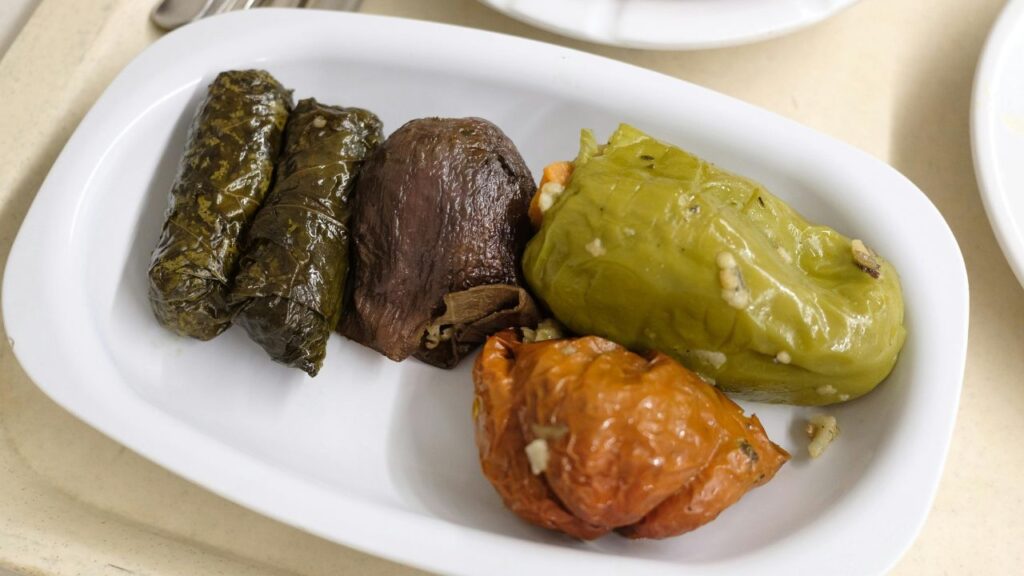
Perhaps the most iconic dish featuring cousa squash is kousa mahshi. For those who are new to Middle Eastern cooking they may ask what is cousa squash.In this traditional recipe, cooks hollow out the squash and stuff it with a mixture of rice, ground meat (often lamb or beef), and aromatic spices. You then simmer the stuffed squash gently in a tomato based broth until tender and flavorful.
Many people wonder what is cousa squash they see it in markets because it looks similar to zucchini but has a shorter sturdier body that is perfect for stuffing. Lebanese and Syrian families serve kousa mahshi as a staple in their cuisine and often prepare it during family gatherings, holidays, and special occasions.
Even for those asking what is cousa squash for the first time its versatility is clear. Beyond kousa mahshi, you can layer it in casseroles, add it to stews, or sauté it with garlic and olive oil. Vegetarian versions use rice mixed with herbs, tomatoes and spices without meat highlighting its adaptability.
Alternative Names and Regional Variations
Cousa squash is known by several common names which reflect its cultural roots and geographic spread. In many markets, vendors label it as Middle Eastern squash to highlight its strong connection to the cuisines of the Levant. People also often call it Lebanese squash or gray squash. These different names can sometimes confuse shoppers who are not familiar with the vegetable. However they usually refer to the same or closely related varieties recognized by their pale green skin and perfect stuffing shape. The name gray squash points to its soft gray green color while Lebanese squash emphasizes its popularity in Lebanese cooking. As Middle Eastern communities have settled around the world they have shared both the seeds and traditions of cousa making it widely available in specialty markets and farmers markets across many countries.
Growing Cousa Squash
Cousa squash is highly prolific and fast growing which makes it a favorite among home gardeners. Like other summer squash varieties it thrives in warm weather and needs full sun, well drained soil and consistent watering. Once you establish the plant, it begins producing abundant fruit within a short growing season, which makes it very rewarding to grow. Gardeners usually harvest cousa when it reaches four to five inches in length. At this stage the squash is tender with a delicate texture and small soft seeds. Picking the squash regularly encourages the plant to keep producing throughout the season. Even though the skin stays thin as it grows larger, harvesting it young provides the best flavor and texture and ensures a steady and generous summer crop.

Cousa Squash in Contemporary Cooking
If you have ever wondered what is cousa squash it is a light green summer squash popular in Middle Eastern cuisine. Many people ask what is cousa squash when they see it in markets because it looks similar to zucchini but has a shorter rounder shape and a slightly sweeter taste. Learning what is cousa squash can help home cooks use it in traditional stuffed dishes or in modern recipes like roasting sautéing or spiralizing for vegetable noodles. Its tender skin and creamy flesh make it easy to cook and enjoy. Cousa squash works well with herbs, olive oil, garlic and lemon making it a versatile ingredient in many kitchens.
Cousa Squash vs. Zucchini Comparison
| Feature | Cousa Squash (Kousa/Koosa) | Zucchini |
| Color | Pale light green to soft gray-green | Dark green (sometimes striped or yellow) |
| Shape | Shorter, wider, slightly rounded | Long, slender, cylindrical |
| Skin Texture | Very thin and tender, even when larger | Slightly thicker but still edible |
| Flavor | Mild, slightly sweet, delicate | Mild but more neutral and sometimes slightly grassy |
| Texture When Cooked | Creamy and soft, holds shape well | Tender but can become watery |
| Best Culinary Use | Ideal for stuffing (especially kousa mahshi) | Great for grilling, baking, sautéing, spiralizing |
| Harvest Size | Typically picked at 4–5 inches | Usually harvested at 6–8 inches |
| Common Names | Middle Eastern squash, Lebanese squash, Gray squash | Courgette (in UK and Europe) |
| Cuisine Popularity | Lebanese, Syrian, Middle Eastern dishes | Mediterranean, Italian, American cuisine |
| Growing Habit | Fast-growing and highly prolific | Fast-growing and productive |
FAQs
1. What is cousa squash?
Middle Eastern cooking commonly uses cousa squash (also spelled kousa or koosa), a light-green summer squash. Middle Eastern cooking commonly uses cousa squash (also spelled kousa or koosa), a light-green summer squash. It’s similar to zucchini but shorter, wider, and slightly sweeter.
2. How is cousa different from zucchini?
Cousa is usually paler in color, has thinner skin, and a milder, creamier texture when cooked. Its rounder shape also makes it better for stuffing.
3. What is kousa mahshi?
Kousa mahshi is a traditional Middle Eastern dish where cousa squash is hollowed out and stuffed with rice, spiced meat, and cooked in a tomato-based broth.
4. Do you need to peel cousa squash?
No, the skin remains thin and tender—even when the squash grows larger—so you can cook and eat it without peeling.
5. How should cousa squash be cooked?
It can be stuffed, roasted, grilled, or sautéed. It also works well in stews and casseroles because it absorbs flavors beautifully.