Have you ever been in a farmer market or a boutique grocery store and happened to see a pale green slightly bulbous squash that caught your eye? You have also probably just encountered cousa squash, a summer staple of Middle Eastern cuisine but a revelation elsewhere. I shot the ball. This is not any ordinary zucchini that people often spell as kousa or coosa. It is a unique type with a sweet taste and an ideal shape. You have come to the right place in case you want to widen your veggie boundaries with something that is healthy, flexible, and extremely delicious. This will give you a tour through all about cousa squash, including the characteristics of this particular food and how you can make magic of it and put it on your dinner table today.
What Is Cousa Squash? A Clear and Simple Definition
Let us get these misunderstandings straight the beginning. Cousa squash is simply the Arabic word of zucchini, yet that is like saying that champagne is simply sparkling wine, the variety is the special one. It is a familiar Middle Eastern strain of summer squash that is not the typical dark-green zucchini that you all know about. Imagine it is the sweeter and smaller cousin of zucchini. It has grown over generations in the Levant region becoming a favorite component of family recipes. This is the distinguishing key features that make it so popular among the insiders.
Spotting Cousa Squash Key Characteristics to Look For
You can spot this unique summer squash by its appearance, taste, and texture. It usually displays a beautiful light green color and has a short, rounded shape that appears charmingly plump compared to long straight zucchini. When you pick it up, you’ll notice its mild flavor with a subtle sweetness and a hint of nuttiness that makes it stand out from other varieties. Its texture is perfect for cooking—the skin is thin and tender so peeling is unnecessary, and the flesh is firm and less watery. This allows it to hold its shape beautifully whether you are grilling it, stuffing it, or simmering it in sauces.
Cousa Squash Health Benefits Your Body Will Thank You For
When you decide to prepare this summer squash, it is not only a treat for your taste buds but also a boost for your health. Low in calories and packed with nutrients like other summer squashes, it is an excellent source of vitamin C, which supports immunity, and vitamin A, essential for healthy vision and skin. The fiber in its flesh aids digestion and helps you feel full and satisfied. Its firm texture also provides important minerals such as potassium, which supports heart health. Adding these pale green vegetables to your meals is a simple and delicious way to eat well without following complicated diet plans.

Cousa Squash Creative Ways to Use in Your Kitchen
Cousa squash is very useful in the culinary world and this is the place where real fun starts with the great texture and the sweet taste of the product. Its most renowned application is in the Lebanese and Syrian dish, known as Kousa Mahshi or literally translated as stuffed squash. It is the best scoring and filling job in view of its broad and robust form. But there is no end to its talent! You can grill it in rounds and place it on the grill to get a smoky side dish, sauté it with herbs and garlic, sauté it in a quick weeknight veg, roast it to release its natural sweetness, or even slice it very thinly and eat it in salads to get a crunchy bite. It is really amazing how versatile it can be.
Cousa Squash Lebanese Stuffed Squash Kousa Mahshi
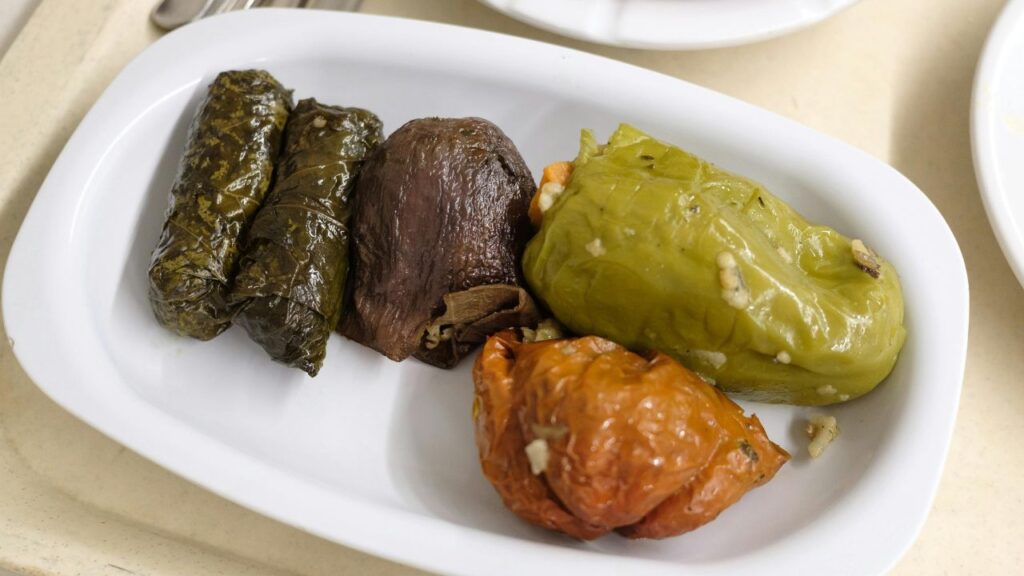
It is time to explore a legendary meal that features this tender summer squash. Kousa Mahshi is a delightful recipe that fills your home with irresistible aromas. Cooks make the traditional stuffing with a spiced mixture of ground meat, such as lamb or beef, combined with rice, fresh parsley, mint, and warm spices like allspice and cinnamon. You pack this flavorful filling into hollowed-out squash and then gently simmer it in a savory tomato or garlic broth until the squash is tender and the filling is fully cooked. The broth transforms into a rich sauce that brings the whole dish together. It is comforting, wholesome food that makes any meal feel special.
What You Need to Know About Summer Squash
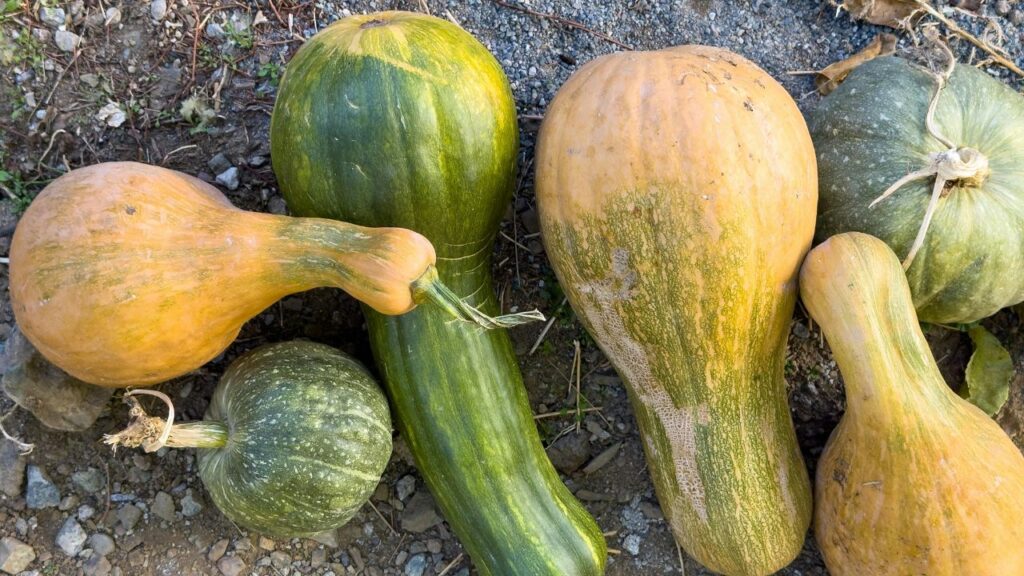
You may be eager to taste it and knowing, asking, where you find it. Nothing to fret about, it is closer than you believe. Whereas in the Levant region most of them are common, you have a lot of choices in the U.S. The most promising markets are the ones in the Middle East, the farmers markets in the summer period, or specialty international grocery stores. Watch out, it may at times be termed using other names such as Mexican squash or grey squash. The squash to pick must be very firm and heavy in its size, with smooth and unscarred skin. When you get home put them in your fridge crisper drawer and they will last about one week.
Key Characteristics to Spot the Perfect Summer Squash
After you fall in love with stuffed squash, just go on. Cousa is so versatile that you should be creative. A spiralizer can be used to spin it into zoodles and make low-carb pasta at night. Cut it and put it in a frittata or morning scramble to get some vegetables.You can achieve even a basic pickle by cutting it into coins and carrying it into a jar with vinegar, salt and dill as a tangy accompaniment. It also does well in baked goods such as quick breads and muffins because it is less watery and it puts moisture and nutrients in the baked goods without making the batter wet. Get this squash into your inner cook!
Cousa Squash Quick and Easy Ideas for the Modern Kitchen
In the modern, hectic society, we require healthy and yet easy to make recipes and cousa squash suits a modern, efficient kitchen perfectly. Its rich meat is cooked in no time so it is perfect with weeknight meals, cut it into half-moons, drizzled with olive oil, salt, and pepper, and roasted at 400 o C in 15-20 minutes, or placed with chicken or fish in sheet-pan dinners. It can also be cubed to use in soups or stews in which it does not disintegrate, and cousa squash is particularly good to use in meal preparation as far as it will keep its shape in the refrigerator several days after cooking, enabling eating your vegetables to be the easiest part of your day.
Answering Your Curious Questions
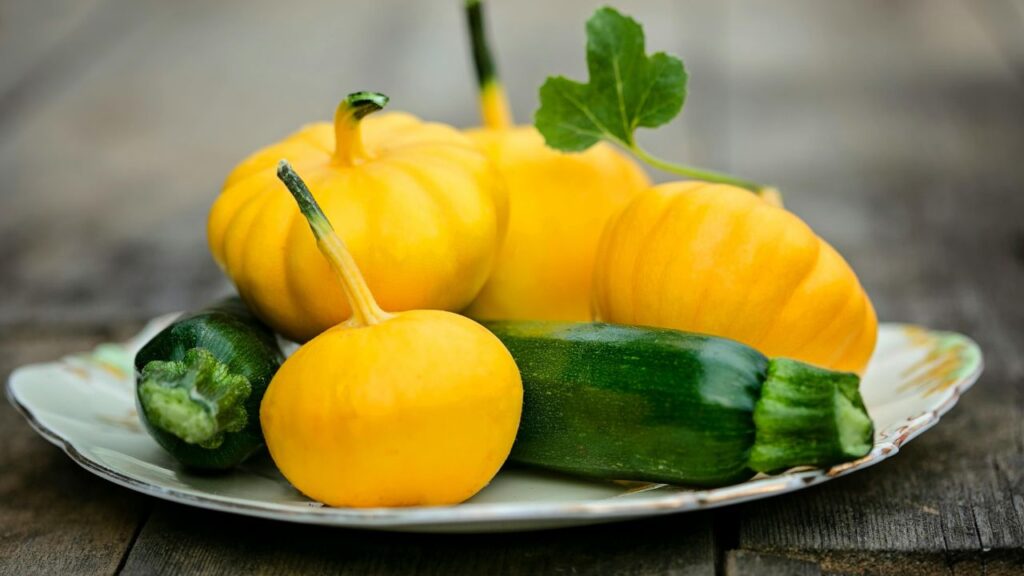
You have questions, we have simple answers regarding cousa squash. Can you eat the skin? Oh yes–it is delicious with skin on it. Is it the same as zucchini? They are very similar cousins, however, cousa squash tastes sweeter, thicker, and less watery though you may use them interchangeably in recipes.What if you can’t find it? The closest substitutes are yellow summer squash/pattypan squash. Can you freeze it? Yes–blanch squash sliced or cubed, cooled it, and packed it in airtight packages to be used later in cooked food recipes such as soups and casseroles.
Embracing the Simple Joy of Cooking with Cousa
Eventually, finding cousa squash is not only a matter of trial of a new product but of following the culinary tradition, learning about versatile and healthy products, and adding straightforward pleasure to your cooking. Whether it is its pale green color and mildly sweet taste or its star appearance in Kousa Mahshi and other favorite dishes, this squash can be described as a true kitchen friend that makes the distinction between ordinary meals and something special. On your visit to the market next time, find this poor bulbous vegetable and take him home to stuff, grill or sauté- you might discover that cousa squash is the new, favorite, seasonal treasure.
Cousa Squash Compared to Green Zucchini Quick Differences
Here’s a fast, clear look at how these two popular squashes differ.
| Feature | Cousa Squash | Green Zucchini |
| Look | Pale green, short & stout. | Dark green, long & straight. |
| Taste | Sweeter, with a nutty flavor. | Milder, more neutral taste. |
| Texture | Dense, firm, and less watery. | Softer and more moist. |
| Best Use | Perfect for stuffing, grilling, roasting. | Great for sautés, baking, and spiralizing. |
| Other Names | Kousa, Lebanese squash. | Courgette. |
FAQs
1. Can I eat the skin of cousa squash?
Absolutely! The skin is soft, thin and fully edible. Most of the nutrients are also found there, and hence there is no necessity of peeling it.
2. What’s the closest substitute if I can’t find cousa squash?
A typical green zucchini or yellow summer squash is the way to go. They will be used in the majority of recipes but they may be slightly liquid and sweeter.
3. Is cousa squash the same as zucchini?
They’re very close cousins! Cousa is a particular type that is sweeter and more nutty and has a denser non-watery texture compared to the typical dark green zucchini.
4. What’s the most popular way to cook cousa squash?
The most well-known is Lebanese Kousa Mahshi which is hollowed out and filled with a spiced rice and meat mixture and simmered in a savoury tomato stew.
5. Where can I buy cousa squash?
Find it in Middle Eastern markets, farmers markets or heavily stocked international groceries. It is also sometimes called Mexican squash or grey squash.