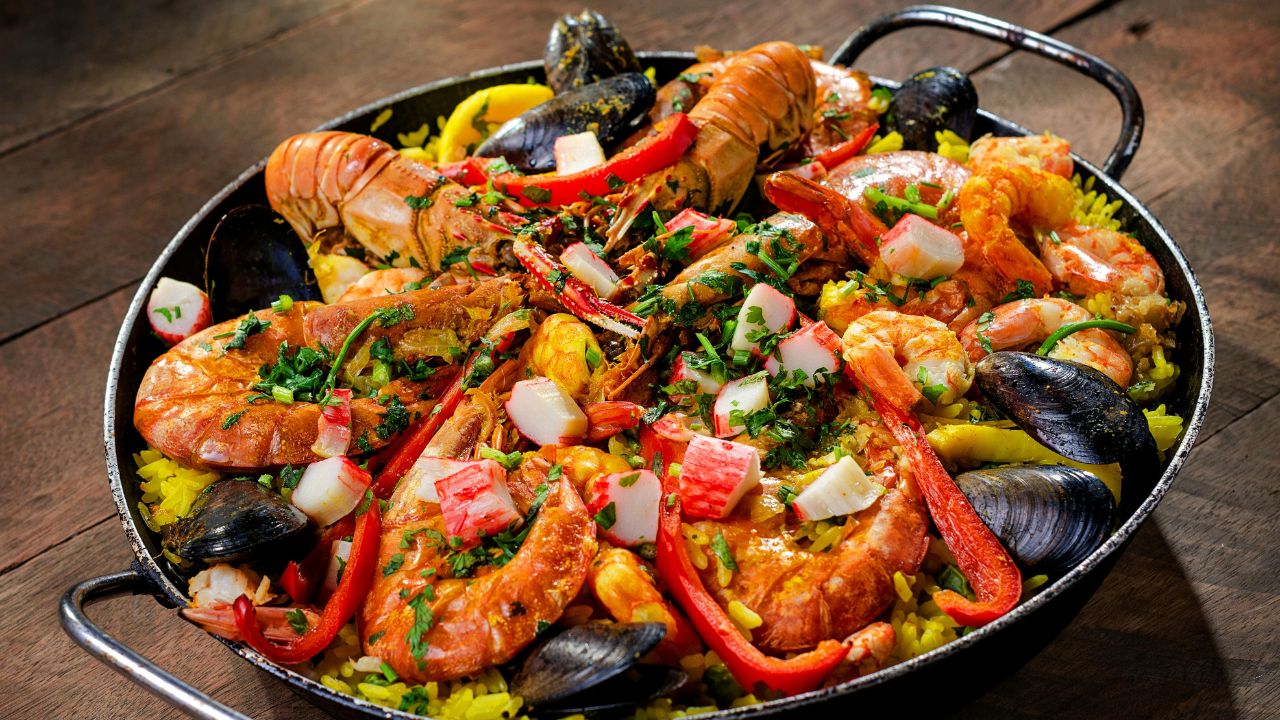
The Wok and Hibachi have absolutely different uses in Asian-inspired cooking, despite the fact that they are frequently mentioned side by side. The wok is a flexible pan used to perform quick high temperature cooking such as stir-frying and steaming whilst hibachi is a charcoal heating device that is used mainly to grill foods that have a smoke taste. Knowing how the Wok and Hibachi are different in style, use and the cooking space can guide the home cooks to select the correct tool as per the requirement i.e. a fast indoor meal or a grilled outdoor meal. Being aware of the distinct advantages of the Wok and Hibachi, cookers are able to make better choices and increase their general cooking strength.
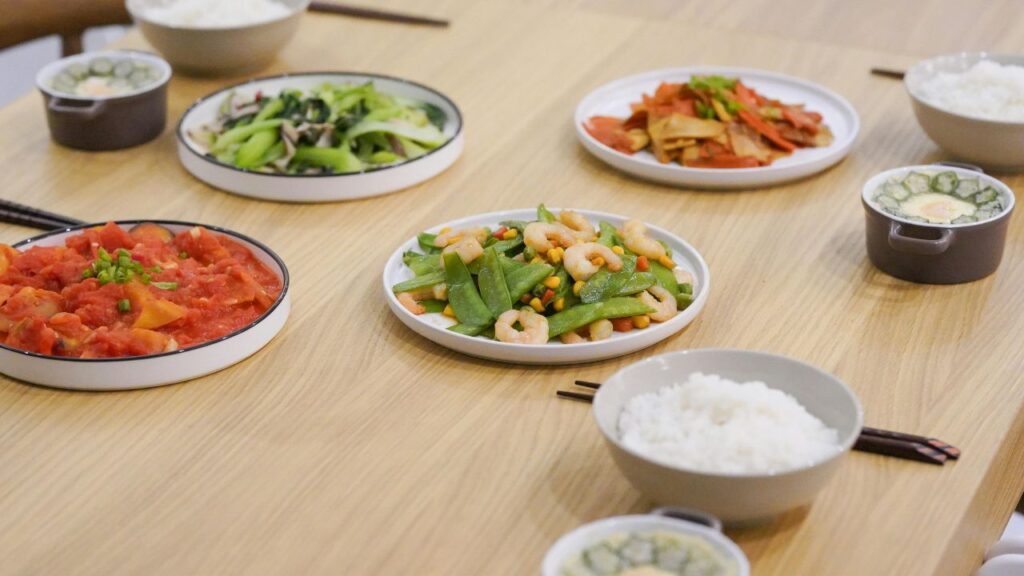
Wok Design and Its Primary Cooking Purpose
The Wok and Hibachi are two different culinary tools that are often linked to the Asian cuisine of the world with each having its own purpose in the preparation of food. A wok is constructed with high-heat, rapid cooking procedures like stir-frying and affords ingredients to be tossed around with ease whereas a hibachi acts as a charcoal-based grill that provides intense direct heat to grill. The design and application of the Wok and Hibachi differ in a number of ways, which makes it easier to understand that different types of cooks can choose the most appropriate tools depending on their cooking environment and preferences. Knowing the compatibility of the Wok and Hibachi with various methods, domestic cooks can expand their culinary skills and obtain improved cooking outcomes.
Defining the Hibachi Meaning and Use
The hibachi needs to be explained, as it has two different meanings. A hibachi is a Japanese heating device, or a small portable charcoal brazier which people have historically used to provide warmth. In contemporary Western usage, people generally use the term hibachi to describe the dramatic form of cooking used in restaurants on a large, flat iron griddle. People rather call this cooking surface a teppanyaki grill. To enable us to discuss culinary information, we shall refer to the hibachi as popular culture interprets it: A flat solid converts. cooking surface that offers uniform, high heat on the entire surface. This design sears both meats and seafood as well as vegetables directly on the hot metal where the cooking process becomes a spectacle to watch.
Wok and Hibachi Cooking Methods and Results
The fundamental difference between wok and hibachi styles lies in the cooking method and resulting food texture. Wok cooking is dynamic and moist. It just needs some oil and good mixing, thus foods cook fast and often includes sauces for added flavor during preparation. The process, known as stir-frying, yields dishes where cooks integrate components—meat, vegetables, and sauce combine into a unified meal. Conversely, hibachi or teppanyaki cooking is a stationary, dry-heat method. Cooks lay food items flat on the griddle and sear them, developing a distinct caramelized crust through the Maillard reaction. Ingredients are typically cooked separately or in designated zones on the grill, resulting in a plated meal where the individual flavors of each component remain distinct, though they may be seasoned similarly.
Practical Benefits of Using a Wok
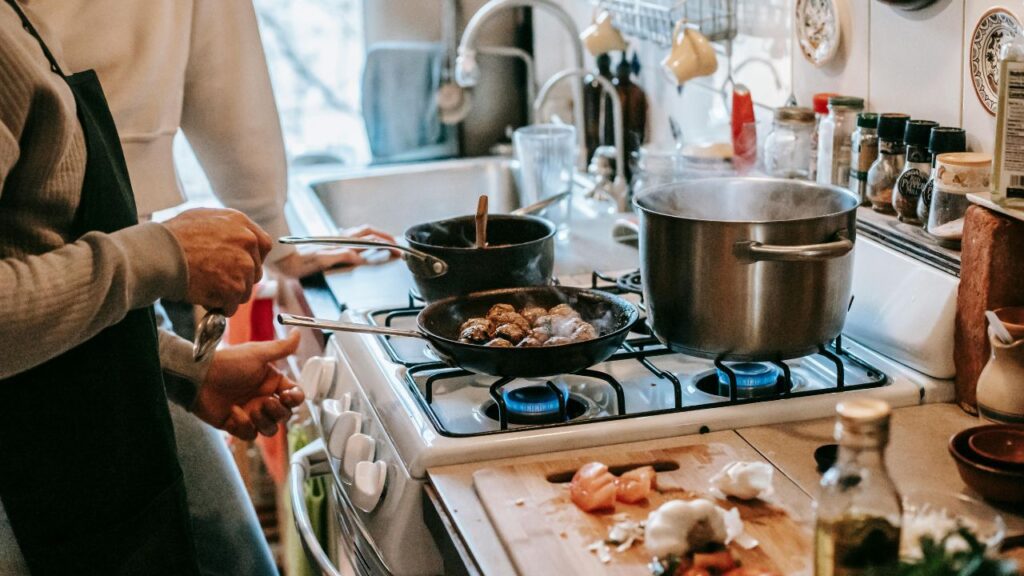
Having a wok in your kitchen can have a number of practical advantages. The first is efficiency: its design enables it to cook remarkably quickly, it is the best choice to make on a busy weeknight. Second is versatility; in addition to stir-frying, you can use a wok to deep-fry, steam (with a bamboo insert), boil, and smoke. Third would be health-conscious cooking: cooks use the minimum amount of oil and cook for a short time, which helps to retain vegetable nutrients and make meals healthier. Lastly, it promotes cost-effective meal preparation because it is excellent at making larger dish portions out of smaller meat and large loads of cheap vegetables. It has a big capacity which is ideal for cooking in bulk or making a meal for a family.
Practical Benefits of Hibachi-Style Cooking
There are also benefits that come with using a flat-top grill or heavy skillet to cook in the manner of hibachi. The first of them is the development of flavor due to severe searing that forms complicated and savory notes that are challenging to obtain with other techniques. Second is simplicity: the method does not usually demand long cooking times and a few ingredients such as salt, pepper, soy sauce, and butter may be sufficient to bring out the natural flavor of quality proteins and vegetables. Third is its social and interactive quality; with any table top electric grill or a very large outdoor griddle, it can be easy to cook in front of and serve people making the process of preparing meals an interactive social event. This type of cooking also offers good heat control and the same results throughout the entire surface of the cooker.
Choosing Between Wok and Hibachi
Choosing between Wok and Hibachi techniques depends largely on your cooking habits, kitchen setup, and the types of meals you enjoy preparing. A wok is a highly versatile option for everyday cooking, especially for stir-fries, noodle dishes, and meals that combine sauces and ingredients, and it works well on most home stovetops. In contrast, hibachi-style cooking or a flat griddle is better suited for foods that benefit from intense direct heat, such as steak, shrimp, or scallops, and for cooks who enjoy preparing ingredients separately. For many home cooks, understanding the strengths of Wok and Hibachi cooking makes it clear that owning a wok alongside a heavy cast-iron skillet can provide the best balance, allowing exploration of both styles without specialized equipment. This practical approach lets cooks enjoy the benefits of Wok and Hibachi methods in a flexible and accessible way.
Key Techniques for Each Method
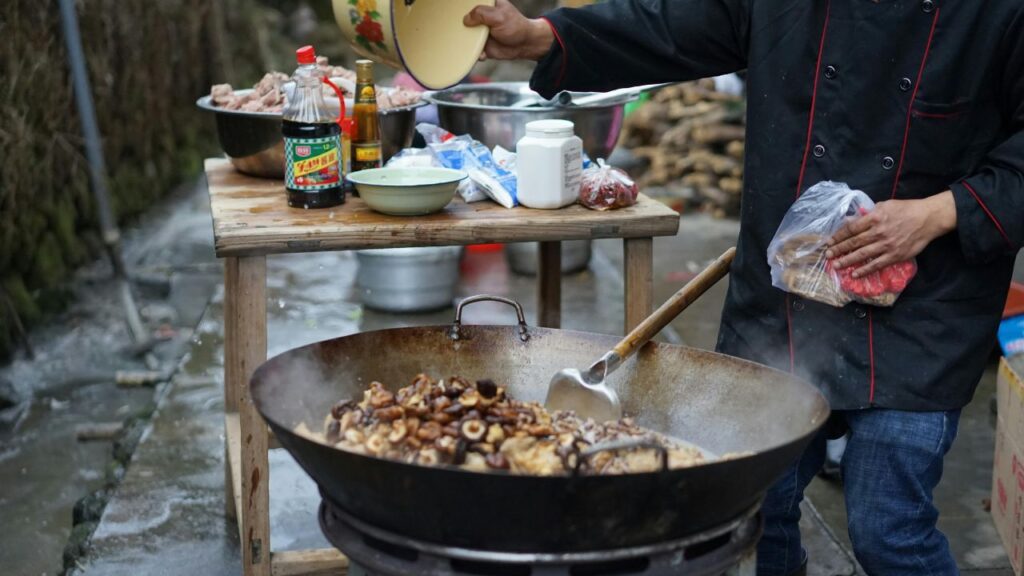
In order to be effective in using these tools, it is important to be familiar with their fundamental methods. Wait, let me correct that: The wok requires stir-frying. It includes the preparation of all ingredients in advance, heating the wok until it becomes hot and then adding oil and cooking in phases, the first being aromatics, then protein, then vegetables, and finally combining all ingredients with the sauce. It is a steady, assertive scoop-and-toss. In the hibachi-style cooking on a flat area, the most prominent technique is searing and zoning. The preheating of the surface should be effective. Cook batches of proteins so as not to steam, and different parts of the grill to different ingredients or temperatures. Cooks normally invert the food just once to have a level crust, and they usually add the sauces or butter after burning.
Nutritional and Lifestyle Advantages
Wok and hibachi cooking techniques facilitate healthy and conscious eating behaviors. They promote consumption of fresh and whole foods such as lean proteins and a high proportion of vegetables. The short cooking duration will preserve vitamins and minerals in vegetables that long cooking periods would destroy. You have full control over sodium, sugar content and fat as compared to ordering restaurant takeouts. Moreover, wok cooking can be prepared faster, which promotes busy schedules, whereas the socialization of hibachi-style cooking can increase social dining and involvement of family in food preparation. These are ways of making home cooking an effective, healthy, and fun activity.
Wok and Hibachi Key Differences at a Glance
| Feature | Wok | Hibachi (Teppanyaki Style) |
| Primary Design | Bowl-shaped with high, sloping sides. | Flat, solid iron griddle or cooking surface. |
| Core Cooking Method | Stir-frying (fast tossing over high heat). | Searing and griddling (food cooks in place on the hot surface). |
| Best For | Saucy, combined dishes where ingredients mix together (e.g., Beef & Broccoli, Chow Mein). | Distinct, separately seared proteins & veggies (e.g., steak, shrimp, onions served side-by-side). |
| Key Motion | Constant tossing and stirring. | Occasional flipping; food is often left to develop a sear. |
| Typical Outcome | Integrated, saucy meal with unified flavors. | Caramelized, distinct items with a smoky sear. |
| Home Kitchen Tool | A flat-bottomed carbon steel wok. | A heavy cast-iron skillet or flat griddle pan. |
| Experience | Fast, efficient weeknight cooking. | Interactive, social meals often cooked in front of guests. |
| Flavor Profile | Coated in glossy, savory sauces. | Simple, bold flavors from direct searing (soy, butter, garlic). |
FAQs
1. What’s the difference between a wok and a hibachi?
A wok is a bowl-shaped pan used in stir frying the ingredients with a sauce. We cook our hibachi (as we refer to it) on a flat griddle so that we can cook each piece of food separately in order to have a nice crust on it.
2. Can I use a regular pan instead of a wok?
Yes, a high-capacity, deep skillet will be suitable in stir-frying. However, it is easier and more efficient to toss food high in heat with the high sides of a wok.
3. Do I need special equipment for hibachi at home?
No. A big cast-iron skillet or a flat griddle pan will do. Simply ensure that it gets hot then you begin cooking.
4. Is wok or hibachi cooking healthier?
Both are healthy methods. They make food fast using very little oil, maintain veggies healthy and leave the choice of what to put in your food, up to you.
5. What should I buy first?
Start with a wok. Everyday cooking suits it better. You may have hibachi-style meals in a cast-iron skillet which you may have at home.